Imagine biting into your favorite crunchy snack or enjoying a lively game of pickup basketball, only to feel a sharp crack in your mouth. Suddenly, a piece of your tooth is missing, and panic sets in. If you’ve ever wondered how to fix a chipped tooth, you’re not alone. This is one of the most common dental mishaps we see in everyday life. A chipped tooth can happen to anyone, from kids roughhousing on the playground to adults grinding their teeth under stress. The good news? Modern dentistry offers quick, reliable ways to restore your smile without endless discomfort or downtime.
In this blog, we’ll walk you through everything you need to know about chipped tooth repair, from the moment it happens to long-term prevention. We’ll cover immediate actions for an emergency chipped tooth fix, professional treatment options like dental bonding and veneers, and realistic expectations for recovery. Whether it’s a minor edge chip or a more noticeable break, understanding your options empowers you to act fast and get back to smiling confidently. Let’s dive in and demystify the process, so you can focus on healing rather than worrying.
What Causes a Chipped Tooth? Understanding the Common Culprits
Before exploring how to fix a chipped tooth, it’s helpful to know why it happened in the first place. Teeth are remarkably strong, designed to withstand years of chewing and biting, but they’re not invincible. A chip often results from everyday wear and tear or a sudden impact, and recognizing the triggers can help you avoid future incidents.
One of the top causes is trauma from accidents. Sports injuries, falls, or even a slip in the bathroom can deliver enough force to crack enamel, the hard outer layer of your tooth. If you’re an active parent watching your kids play soccer or you’re into weekend hiking yourself, these moments add up. According to the American Dental Association, traumatic dental injuries affect millions annually, with chips being among the most frequent.
Then there’s the slow grind of habits. Teeth grinding (bruxism) during sleep or clenching under stress can weaken enamel over time, making chips more likely during routine activities like biting into hard foods. Ice cubes, nuts, or even opening bottles with your teeth—guilty as charged for many of us, exert undue pressure and invite trouble. Poor oral hygiene plays a role, too; weakened enamel from decay or acid erosion (think frequent soda sipping) becomes brittle and prone to fracturing.
Decay is another silent saboteur. When cavities go untreated, the inner dentin layer softens, turning a minor bump into a major chip. And don’t overlook temperature extremes, alternating hot coffee with ice-cold water can cause micro-cracks that eventually lead to breaks.
By pinpointing your personal risk factors, you’re already one step closer to effective chipped tooth repair. Awareness is key, and it ties directly into prevention, which we’ll touch on later.
Signs Your Chipped Tooth Needs Professional Attention
Not every chip screams for an immediate dentist visit, but ignoring the signs can turn a quick fix into a costly complication. So, what to do if you chip a tooth? Start by assessing the damage. A superficial chip might only affect the enamel, causing minor roughness or sensitivity, but deeper breaks expose sensitive layers beneath.
Watch for these red flags:
- Visible damage: If the chip reveals white dentin or pink pulp (the tooth’s nerve center), it’s beyond DIY territory.
- Pain or sensitivity: Sharp twinges when breathing cold air, drinking something sweet, or chewing signal nerve involvement.
- Swelling or bleeding: Gums around the chip may swell, indicating infection risk.
- Jagged edges: These can cut your tongue, cheeks, or lips, leading to sores.
A small chip on an incisor might just feel cosmetic, but molars handle heavy chewing loads, so even minor damage there warrants a check. Left untreated, chips can worsen, inviting bacteria that lead to abscesses or further fractures. Early intervention not only preserves your natural tooth but also keeps costs down, more to the cost of fixing a chipped tooth shortly.
If you’re experiencing any of these, rinse gently with warm saltwater and apply a cold compress to reduce swelling. Avoid hard foods on that side, and most importantly, contact a dental professional promptly for an emergency chipped tooth fix. Time is on your side, but only if you act.
Immediate Steps for an Emergency Chipped Tooth Fix
The split second after chipping a tooth feels chaotic, but staying calm is your best ally. Here’s a step-by-step guide on what to do if you chip a tooth right away to minimize damage and set the stage for smooth chipped tooth repair.
- Locate and save the fragment: If you can find the broken piece, rinse it gently in lukewarm water and store it in a container of milk or your saliva. This preserves any viable cells, potentially allowing your dentist to reattach it—a fast win in many cases.
- Control bleeding and pain: Dab the area with clean gauze to staunch any minor bleeding. Over-the-counter pain relievers like ibuprofen can ease discomfort, but skip aspirin if bleeding persists, as it thins blood.
- Rinse and protect: Swish with warm saltwater (1/2 teaspoon salt in 8 ounces of water) to clean the site without irritating it. Cover sharp edges temporarily with sugar-free gum or dental wax (available at pharmacies) to prevent soft tissue cuts.
- Avoid aggravators: Steer clear of hot, cold, sticky, or chewy foods. No straws, either—they create suction that could dislodge more enamel.
- Seek care ASAP: For minor chips, schedule within 24-48 hours; for pain, swelling, or exposed pulp, head to an emergency dentist same-day. Delaying invites infection, turning a simple how to fix a chipped tooth scenario into root canal territory.
These steps buy you time while showcasing the importance of quick action. Remember, home remedies like super glue or nail polish are myths— they can cause more harm than good by introducing toxins.
Fast Solutions for Chipped Tooth Repair: Your Treatment Options
When it comes to how to fix a chipped tooth, today’s restorative dentistry provides tailored, minimally invasive options that blend seamlessly with your natural smile. The right choice depends on the chip’s size, location, and your aesthetic goals. Let’s break down the most effective chipped tooth repair methods, starting with the quickest.
Dental Bonding for Chipped Tooth: The Go-To Quick Fix
For small to moderate chips, dental bonding for a chipped tooth is often the star of the show. This procedure uses a tooth-colored resin matched to your enamel, applied directly to the damaged area, shaped, and hardened with a special light. It’s like sculpting a custom patch that bonds permanently.
Why choose bonding? It’s fast, typically done in one 30-60 minute visit—no anesthesia for superficial chips, and it’s budget-friendly. Results look natural, restoring both form and function. Ideal for front teeth edges or minor fractures, it can last 3-10 years with good care. Minor downside: It’s not as stain-resistant as porcelain, so skip the heavy coffee habit post-treatment.
Patients love how bonding feels like “it never happened,” blending invisibly for that effortless confidence boost.
Veneers for Chipped Teeth: Aesthetic Powerhouse for Noticeable Damage
If the chip affects your smile’s front line or you want a cosmetic upgrade, veneers for chipped teeth deliver stunning, durable results. These ultra-thin porcelain shells are custom-crafted in a lab and bonded to the tooth’s front surface, masking chips while enhancing shape and color.
The process spans two visits: First, a minimal enamel etch prepares the surface; impressions are taken for fabrication. At the second appointment (about two weeks later), they’re fitted and sealed. Expect high durability—up to 15 years—and resistance to stains, making them perfect for visible incisors.
Veneers aren’t just for chips; they address gaps or discoloration too, offering a full smile makeover. While pricier, the investment pays off in long-term satisfaction and self-assurance.
Crowns: Robust Protection for Larger Chips
For extensive damage where the tooth’s structure is compromised, a dental crown acts as a protective cap, encasing the entire tooth like a snug helmet. Made from porcelain, ceramic, or metal-fused materials, crowns restore strength and prevent further breakdown.
Treatment involves reshaping the tooth, taking impressions, and placing a temporary crown while the permanent one is lab-made (1-2 weeks). The final fit is precise, ensuring bite alignment. Crowns shine for molars or chips near the gumline, lasting 10-15 years or more.
They’re a staple in restorative dentistry, especially if decay lurks beneath the chip—addressing both issues in one go.
Other Advanced Options: From Reattachment to Implants
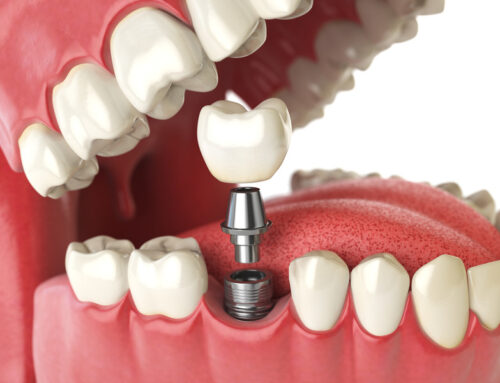
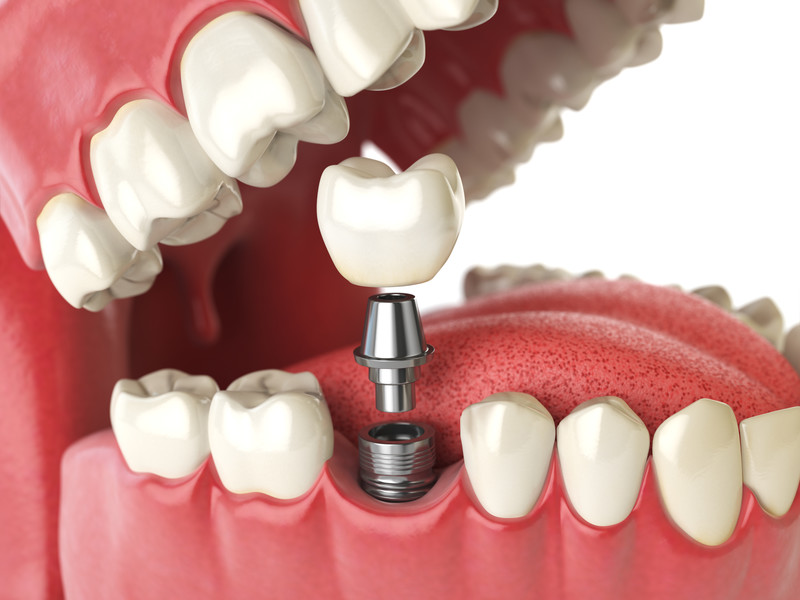
In rare cases, if the entire tooth is knocked out (avulsion), reattachment might be possible within hours using the saved fragment. For irreparable damage, root canals preserve the tooth root, followed by a crown. Worst-case? Extraction and implants or bridges, but these are modern miracles mimicking natural teeth.
Each option prioritizes conservation, saving your original tooth whenever feasible, for optimal health and feel.
What to Expect During and After Chipped Tooth Repair
Embarking on how to fix a chipped tooth can feel daunting, but knowing the timeline eases nerves. Most procedures are outpatient, with local anesthesia if needed, ensuring comfort from start to finish.
- Prep and Procedure: Your dentist will examine you via X-rays to check for hidden cracks or nerve issues. Cleaning precedes treatment to avoid contamination. For bonding or veneers, shade-matching ensures invisibility. You’ll feel mild pressure, but no pain, many describe it as “surprisingly relaxing.”
- Recovery Timeline: Bonding? Back to normal, same-day, with soft foods for 24 hours. Veneers or crowns involve 1-2 days of sensitivity; avoid staining culprits like berries for a week. Full healing takes 1-2 weeks, with follow-ups at 1 and 6 months.
- Potential Side Effects: Temporary soreness, slight color settling, or bite adjustments are common but fleeting. Rare risks like allergy to materials are discussed upfront.
- Post-care is simple: Gentle brushing, flossing, and nightguards for grinders. Most patients report renewed vitality, chewing without worry, and flashing smiles freely.
Preventing Future Chips: Proactive Steps for Stronger Teeth
The best how to fix a chipped tooth is never needing one. Build resilience with these habits:
- Mouthguard Magic: Custom-fitted for sports or grinding—soft yet protective.
- Diet Smarts: Limit hard/crunchy foods; chew evenly.
- Hygiene Heroes: Twice-daily brushing with fluoride toothpaste, daily flossing, and professional cleanings every six months strengthen enamel.
- Stress Busters: Meditation or therapy curbs clenching.
- Sealants and Fluoride: Pro treatments fortify young or at-risk teeth.
Consistency pays dividends, keeping your smile chip-free and vibrant.
Restore Your Smile with Confidence
Chipping a tooth doesn’t have to derail your day or your confidence. Armed with knowledge of fast chipped tooth repair options like dental bonding, veneers, and crowns, you’re equipped to handle it head-on. From immediate emergency chipped tooth fix steps to long-term prevention, prioritizing prompt care ensures minimal disruption and maximum results. Remember, a healthy smile isn’t just aesthetic; it’s essential for eating, speaking, and feeling your best.
For personalized expertise in restorative dentistry, turn to the skilled team at Maple Hill Family Dentistry. Led by Dr. Ji Yun Han, a certified dental implantologist with advanced training in cosmetic and restorative procedures, root canals, and emergency care, and Dr. Josie Park, an award-winning restorative specialist with residency-honed skills in complex family treatments, our Yorktown Heights practice delivers compassionate, cutting-edge solutions. With a focus on patient comfort and modern technology like digital X-rays, we tailor every how to fix a chipped tooth to your unique needs, whether it’s seamless bonding or transformative veneers.
Ready to reclaim your smile? Schedule an appointment today at Maple Hill Family Dentistry. Call us at (914) 962-3223 or book online, your confident, chip-free grin awaits. We’re here to make it easy, one gentle visit at a time.
Frequently Asked Questions (FAQs)
- How long does it take to fix a chipped tooth?
Most chipped tooth repair procedures, like dental bonding, wrap up in under an hour. Veneers or crowns may require two visits over two weeks, but you’ll function normally soon after.
- Can I fix a chipped tooth at home?
Temporary relief, like saltwater rinses, is fine, but professional treatment is essential for safety and durability. Avoid DIY adhesives; they’re toxic and ineffective.
- Does dental bonding for a chipped tooth look natural?
Absolutely. Resin is shade-matched to your enamel, creating an undetectable blend that withstands daily wear.
- What if my chipped tooth is painful?
Pain signals deeper involvement—seek an emergency chipped tooth fix immediately to prevent infection or nerve damage.
- Are veneers for chipped teeth worth the cost?
For visible, lasting results, yes. They offer 10-15 years of stain-resistant beauty, often covered partially by insurance.
- Can children get chipped tooth repair?
Yes, pediatric options like bonding are gentle and quick, preserving baby teeth until natural replacement.